|


The head dropped and lay before the Ten-headed, who was as dismayed at the sight as a snake that has lost its crest-jewel. The earth sank beneath the weight of the terrible trunk, as it still sprinted there till the Lord cut it into two pieces.

The two pieces dropped to the ground like a pair of mountains from the sky, crushing beneath them monkeys, bears and demons alike. His spirit entered the Lord’s mouth, to the astonishment of the gods and sages and all.

The gods beat their drums in great exultation; with hymns of praise they showered down blossoms in abundance, and then having prayed to the Lord, went their way. At that moment arrived the celestial sage; Narada.

Standing high in the heavens, he sang of Hari’s infinite perfections in stirring heroic strains, which pleased the Lord’s heart. The sage departed with the words, ‘Pray despatch this wretch Ravana quickly.’ At that moment Rama shone forth (in all his divine splendour) on the field of battle.
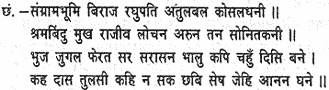
Resplendent on the field of battle is Ramachandra, Kosala’s king of immeasurable might, streaming with the sweat of his exertions on his face, his lotus eyes turned red and his person flecked with drops of blood, and both his arms brandishing his bow and arrows, while the bears and monkeys group all around him. Not even Shesha with his many tongues can describe all the beauty of the Lord, so says Tulasidasa.

To that vile demon, Kumbhakarna, who was a mine of all sins Rama vouchsafed a place in his own abode. Dull-witted are they, O Girija, who adore not the divine Rama!

At close of day the two armies retired; the battle had proved exceedingly strenuous even to the stoutest warrior, but the monkey host gathered fresh strength by the grace of Rama as a fire blazes up when fed with straw.
|

 to go to the Real Player site.